
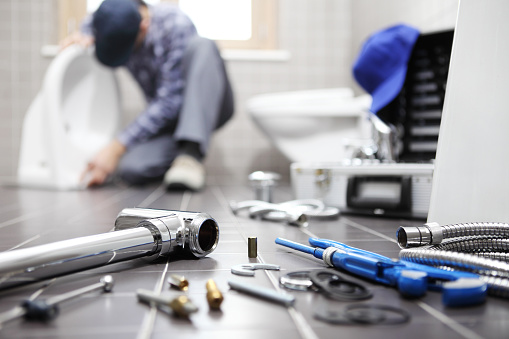
Tackling the most pressing bathroom problems at home can be a hassle. More often than not, these self-repairs may lead to even more problems when done incorrectly. Calling a toilet repair service might be your best option to get the job without creating other problems. Here in this article, you will read about the common toilet problems that will require a visit from the plumber.
Overflowing Toilet Bowl
It’s easy to settle an overflowing toilet bowl by yourself, just grab a plunger and force water down the pipe to make a clear way for water to pass through. However, it becomes a problem when blockages occur deeper in the pipes that you are unable to reach. There are 2 ways to go about this: use strong acid or toilet cleaner to effectively remove any blockages out of your reach. You may also opt for a toilet repair service to handle this problem for you.
Running Water In The Toilet Bowl
Your toilet might have a faulty flapper if you jiggle the handle and the running water stops after a flush. Over time, this rubber flapper that seals shut and prevents excess water from running into the toilet bowl wears out over time. Replacing this seal should be the right toilet repair solution. You can repair this by following these few steps:
- Shut off the water supply and empty the toilet bowl
- Remove the old flapper. This may be done in a few ways, either with a plastic hook or a ring that slips over the overflow tube
- Install the new flapper using the same method that you used to remove the old flapper
Incomplete Flushing
If your toilet starts to flush then stops halfway, the flapper might start to close early because of a loose chain, or the fill valve may be allowing less water into the tank. A simple toilet repair adjustment can be done to mitigate this problem:
- Try removing the tank lid and flush the toilet. If the flap
- Remove some slack from the chain by hooking 1 or 2 links higher on the lift bar if the flapper closes prematurely
- Make adjustments to the fill valve by turning the screw slightly one way or the other with a screwdriver. This will take a bit of experimenting to adjust the water level to the desired level.