
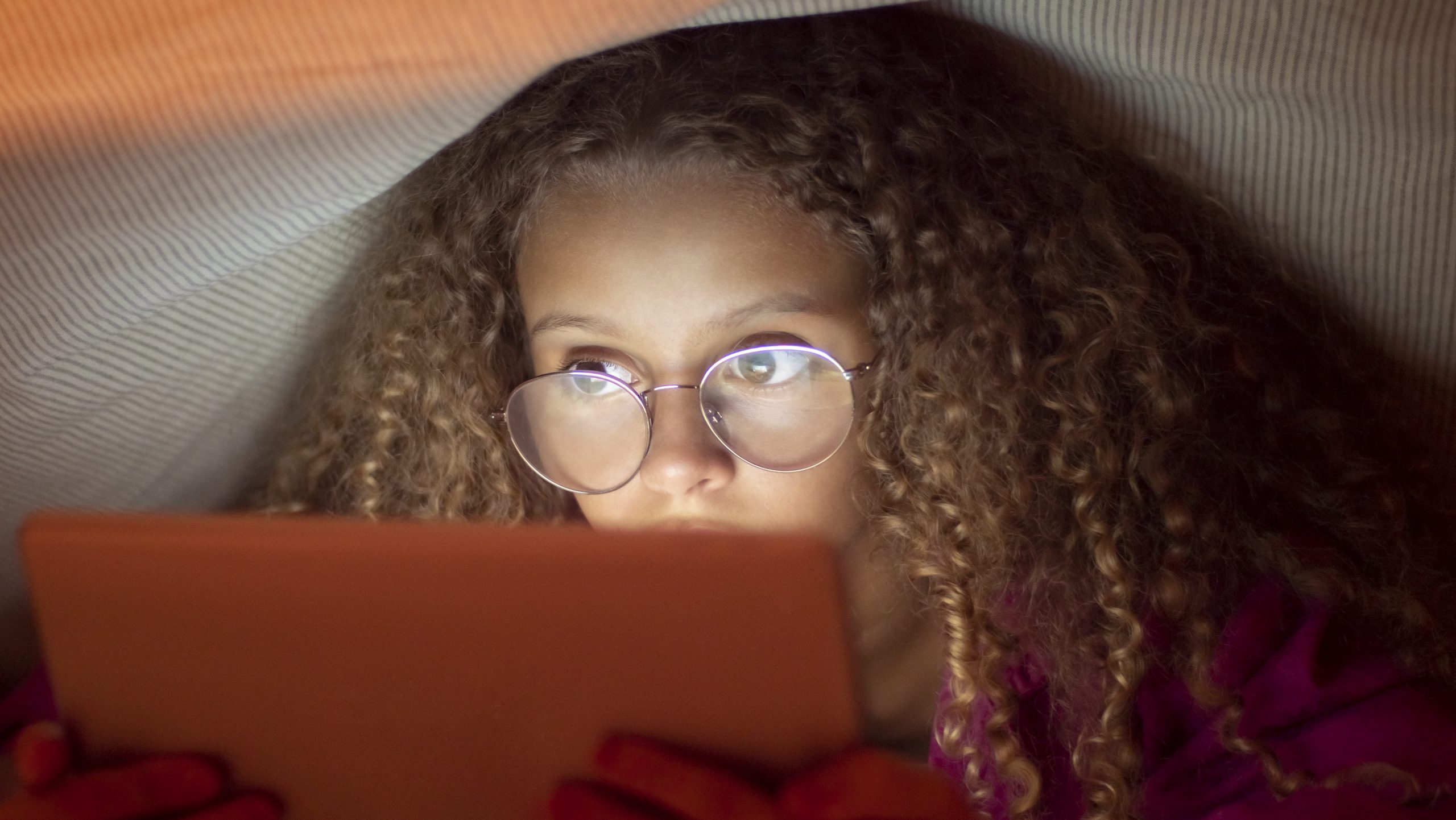
As a parent, you want to protect your child’s eyesight as much as possible. With the increase in screen time due to remote learning and entertainment, there is a growing concern about the potential harm caused by blue light emitted from digital devices such as computers, tablets, and smartphones. One way to address this concern is to invest in blue light blocking glasses, also known as anti blue ray glasses or blue light protection glasses. But with so many options available, it can be difficult to know which ones are the best fit for your child. Here are some factors to consider when choosing the right blue light glasses for your child.
Type of Lens
Blue light blocking glasses come in a variety of lens types, including clear, yellow, and orange. Clear lenses are the most versatile and can be worn indoors and outdoors, while yellow and orange lenses are best for indoor use. Yellow and orange lenses provide more blue light filtering, but they can also affect color perception. Consider your child’s needs and preferences when choosing a lens type.
Lens Coating
Some anti blue ray glasses have a coating on the lens that reflects blue light, while others have a tint that absorbs blue light. Coatings are more effective at blocking blue light but may cause more glare, while tints are less effective but offer better visual comfort. Again, consider your child’s needs and preferences when choosing a lens coating.
Frame Style
Blue light protection glasses come in a variety of frame styles, including full-rim, semi-rimless, and rimless. Full-rim frames offer the most protection but may be less comfortable, while rimless frames offer the least protection but are more lightweight and comfortable. Consider your child’s age, face shape, and personal style when choosing a frame style.
Size and Fit
It’s important to choose blue light blocking glasses that fit your child properly to ensure maximum protection and comfort. Look for glasses with adjustable nose pads and temples to ensure a proper fit. Some manufacturers offer kids’ sizes or adjustable frames specifically designed for children.
Quality and Certification
Look for blue light blocking glasses for kids that are of good quality and have been certified by a reputable organization, such as the American National Standards Institute (ANSI). A certification ensures that the glasses meet certain standards for blue light filtering and optical quality.
In conclusion, blue light blocking glasses can be an effective way to protect your child’s eyes from the harmful effects of blue light. When choosing the right blue light glasses for your child, consider factors such as lens type, lens coating, frame style, size and fit, and quality and certification. With the right blue light blocking glasses, your child can enjoy digital devices without putting their eyesight at risk.